January 9, 2026
Outdoor living spaces have evolved into extensions of the home, offering places to cook, relax, and gather in comfort throughout the year. Combining fireplaces with outdoor kitchens and patios creates a unified environment that balances functionality with atmosphere. When thoughtfully designed, these features work together to enhance usability, visual appeal, and long-term value. Successful outdoor spaces consider layout, materials, climate, and lifestyle needs to ensure everything feels intentional rather than pieced together.
Fireplaces add warmth, ambiance, and a natural focal point, while outdoor kitchens support entertaining and everyday use. Patios anchor these elements, providing structure and flow. With proper planning and craftsmanship, homeowners can create outdoor environments that feel cohesive, durable, and welcoming across seasons. Working with local masonry contractors can also help ensure the design choices you love are built to last and perform well in real-world conditions.
Assessing Available Space
Understanding the physical space available is the foundation of any successful outdoor design. Accurate measurements help determine where fireplaces, kitchens, and patios can be placed without overcrowding the area. Walkways, seating zones, and clearance requirements should be accounted for early to avoid awkward layouts later. Evaluating elevation changes, drainage paths, and existing landscaping ensures the final design works with the land rather than against it.
Sun exposure and prevailing winds also affect placement decisions. Fireplaces benefit from positioning that minimizes smoke interference, while kitchens perform best when shielded from heavy wind. Trees, slopes, or structural features may enhance or limit placement options, influencing how each element fits together. Strategic assessment allows each feature to feel purposeful within the space.
Defining Purpose and Intended Use
Determining how the space will be used helps guide design decisions from the beginning. Some homeowners prioritize entertaining, while others value quiet relaxation or family-focused gatherings. Outdoor kitchens may function as full-service cooking spaces or casual grilling stations depending on lifestyle. Fireplaces may serve as visual centerpieces, heat sources, or both.
Understanding usage frequency and group size influences scale and layout. Large gatherings may require expansive patios and multiple seating clusters, while intimate spaces benefit from tighter arrangements. The fireplace location should complement these goals, offering warmth without interfering with food preparation or traffic flow. Clear priorities prevent overbuilding or underutilization.
Evaluating Climate and Environmental Conditions
Climate plays a major role in outdoor design choices, influencing materials, layout, and structural decisions. Regions with freeze-thaw cycles require materials that resist cracking and moisture absorption. Areas with intense sun exposure benefit from shaded zones and heat-resistant surfaces. Considering weather patterns early helps avoid premature wear or costly repairs.
Fireplaces extend usability during cooler months, making outdoor areas functional beyond summer. Proper construction ensures safety and efficiency regardless of weather. According to The Mason Contractors Association of America, masonry is 100% durable, making it a dependable choice for fireplaces exposed to varying conditions.
Planning Utilities and Infrastructure
Fireplaces and outdoor kitchens require careful utility planning to function safely. Gas lines, electrical wiring, and water supply must be integrated early in the design process. Proper placement prevents exposed connections or disruptive retrofits later. Infrastructure planning also supports lighting, refrigeration, and cooking appliances without clutter.
Safety and compliance are critical considerations when installing utilities outdoors. Gas lines and electrical systems must meet code requirements and be installed by qualified professionals. Drainage planning ensures water does not collect near foundations or cooking areas. Accessibility for future maintenance should also be incorporated.
Complying With Local Regulations
Outdoor fireplaces and kitchens often fall under local building and fire codes. Permits may be required for structural work, gas connections, or electrical installations. Understanding these requirements early helps avoid delays or forced design changes. Working with experienced professionals streamlines the approval process.
Local masonry contractors familiar with regional codes can help navigate these requirements efficiently. Their expertise reduces risk and ensures projects meet all necessary standards. Proper compliance supports long-term enjoyment without legal complications.
Integrating Fireplaces With Kitchen Layouts
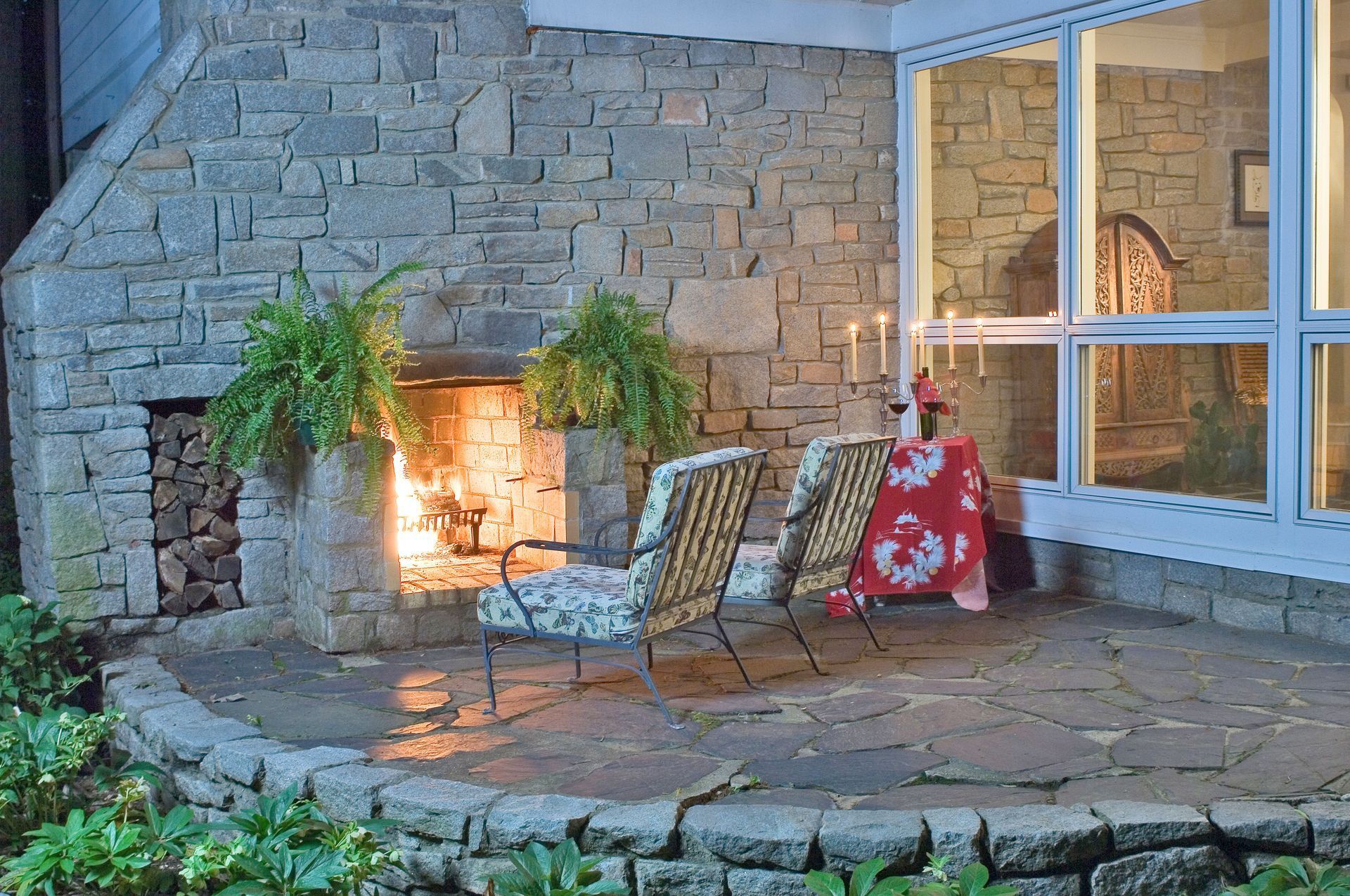
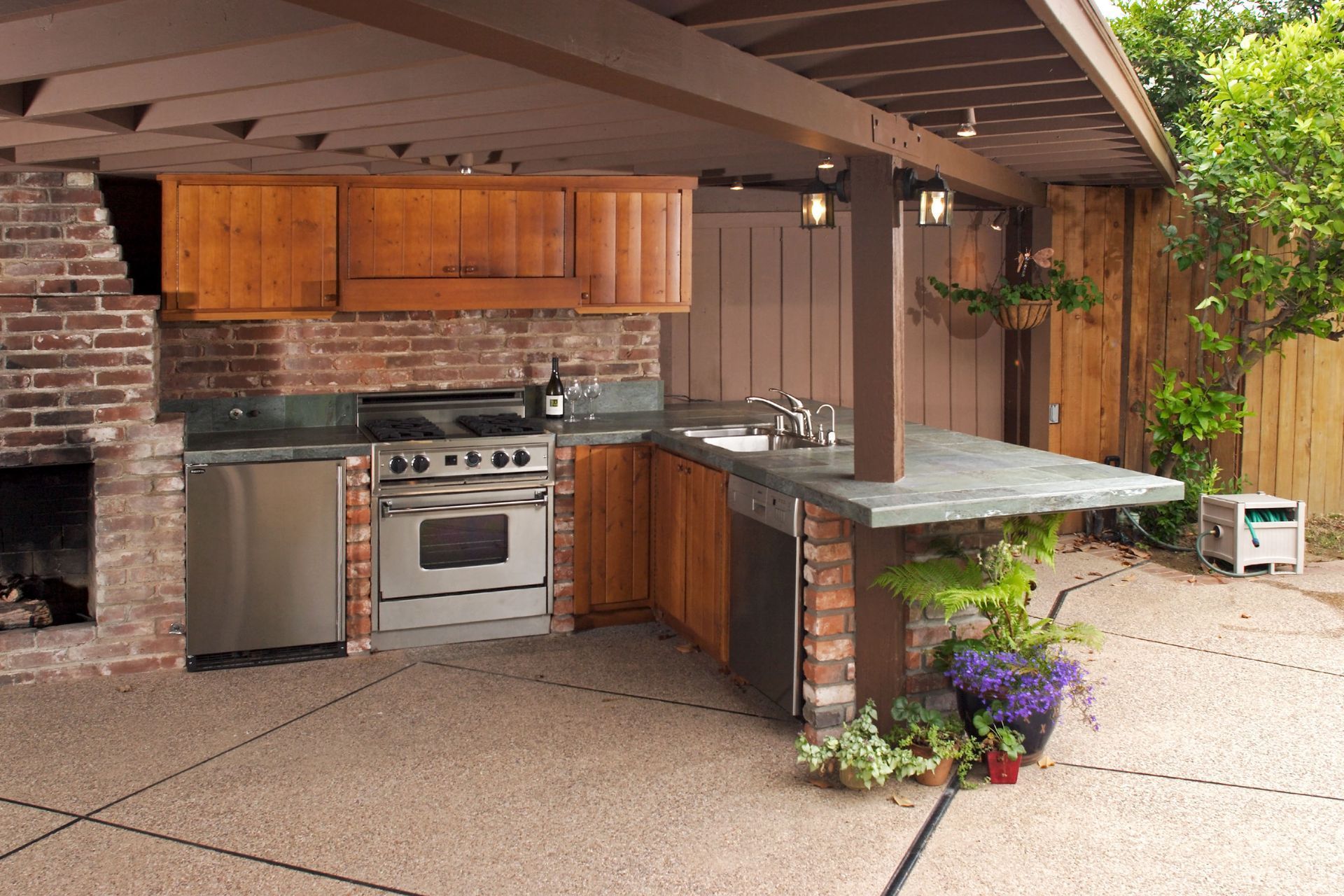
Fireplaces and outdoor kitchens should complement one another without competing for space. Strategic placement allows the fireplace to serve as a focal point while maintaining functional kitchen flow. Visual alignment enhances cohesion, especially when viewed from dining or seating areas. Safety clearances must be maintained between heat sources and cooking appliances.
Using consistent materials ties these features together visually. Stone or brick finishes can unify fireplaces with countertops or accent walls. Many homeowners rely on local masonry contractors to create seamless transitions between elements. According to The Mason Contractors Association of America, masonry’s durability supports long-term performance in integrated designs.
Maximizing Flow Between Outdoor Zones
Smooth movement between patios, kitchens, and fireplaces enhances usability. Clear pathways prevent congestion and encourage natural transitions. Lighting helps guide movement during evening use, improving safety and ambiance. Eliminating unnecessary barriers supports relaxed interaction.
Material changes subtly define zones without disrupting flow. Open layouts prevent spaces from feeling boxed-in or restrictive. Seating placement should encourage conversation while allowing easy access to cooking and dining areas. Flow-focused design improves both comfort and accessibility.
Creating Comfortable Seating Arrangements
Seating defines how people experience outdoor spaces. Arrangements should encourage conversation while maintaining comfort near fireplaces. Groupings allow guests to interact without crowding. Flexibility supports different gathering sizes and activities.
Local masonry contractors often collaborate with designers to ensure seating integrates naturally with stone features. Well-planned seating elevates the overall experience, encouraging extended use. Comfort-driven design fosters relaxation and social connection.
Evaluating Fireplace Types and Materials
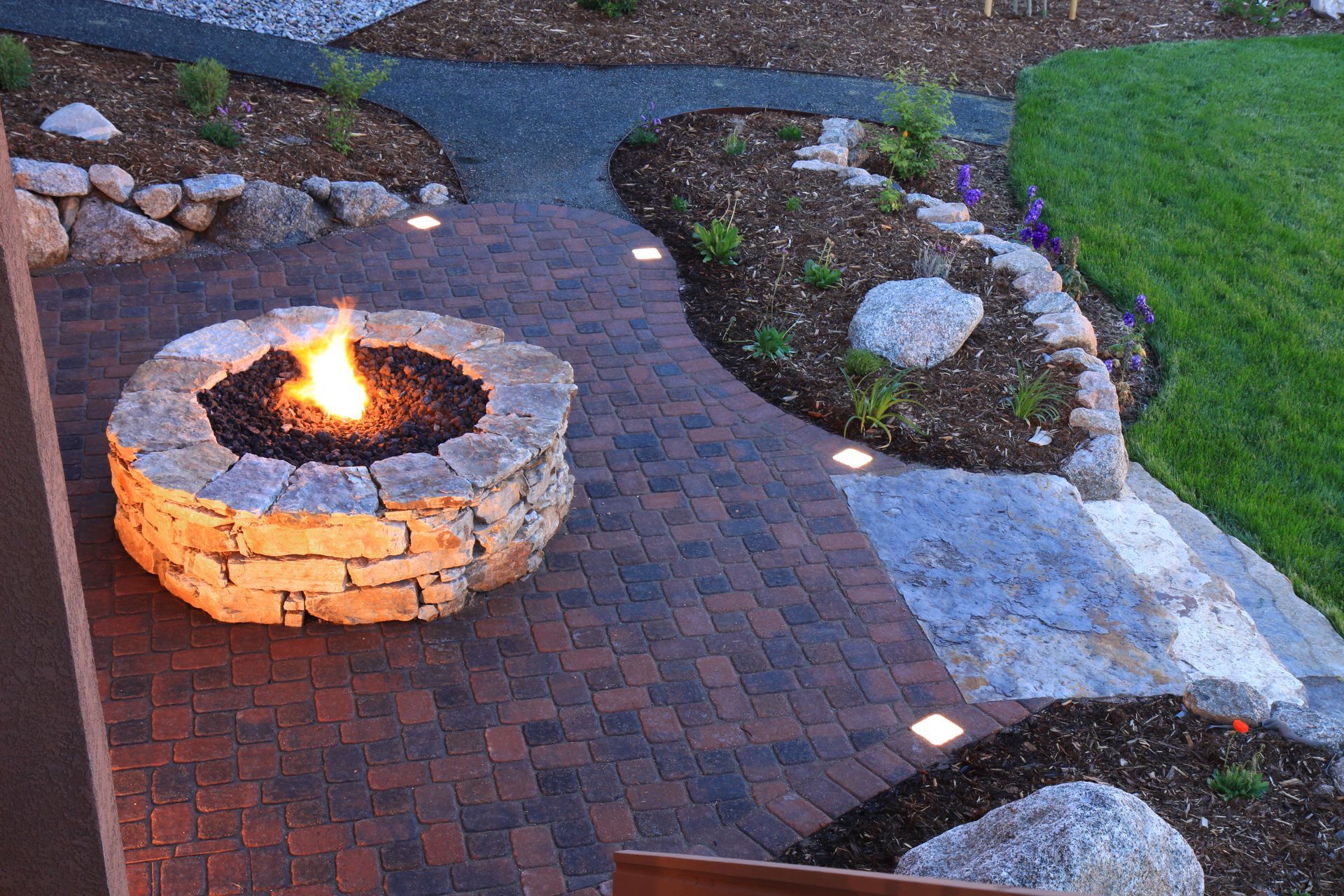
Choosing the right fireplace involves balancing aesthetics, maintenance, and functionality. Wood-burning fireplaces offer traditional charm but require upkeep. Gas fireplaces provide convenience and cleaner operation. Electric options suit spaces with limited infrastructure needs.
Local masonry contractors can guide material selection based on climate and design goals. Their expertise helps ensure compatibility with surrounding features and long-term stability. Proper choices enhance performance, safety, and visual cohesion.
Prioritizing Safety and Maintenance
Safety considerations are essential when combining fireplaces with outdoor kitchens. Proper clearances, protective screens, and ventilation systems reduce risk. Regular inspections ensure components function as intended. Fire extinguishers and safety tools should be readily accessible.
Maintenance preserves performance and appearance. Cleaning masonry surfaces, checking fuel systems, and inspecting venting prevents issues from escalating. Partnering with
local masonry contractors
ensures repairs and upkeep meet professional standards. Routine care extends lifespan and usability.
Zoning Spaces for Versatility
Zoning organizes outdoor areas into functional sections without isolating them. Cooking, dining, and lounging zones benefit from subtle separation. Materials, elevation changes, or landscaping define boundaries naturally. Flexible zones adapt to changing needs and seasons.
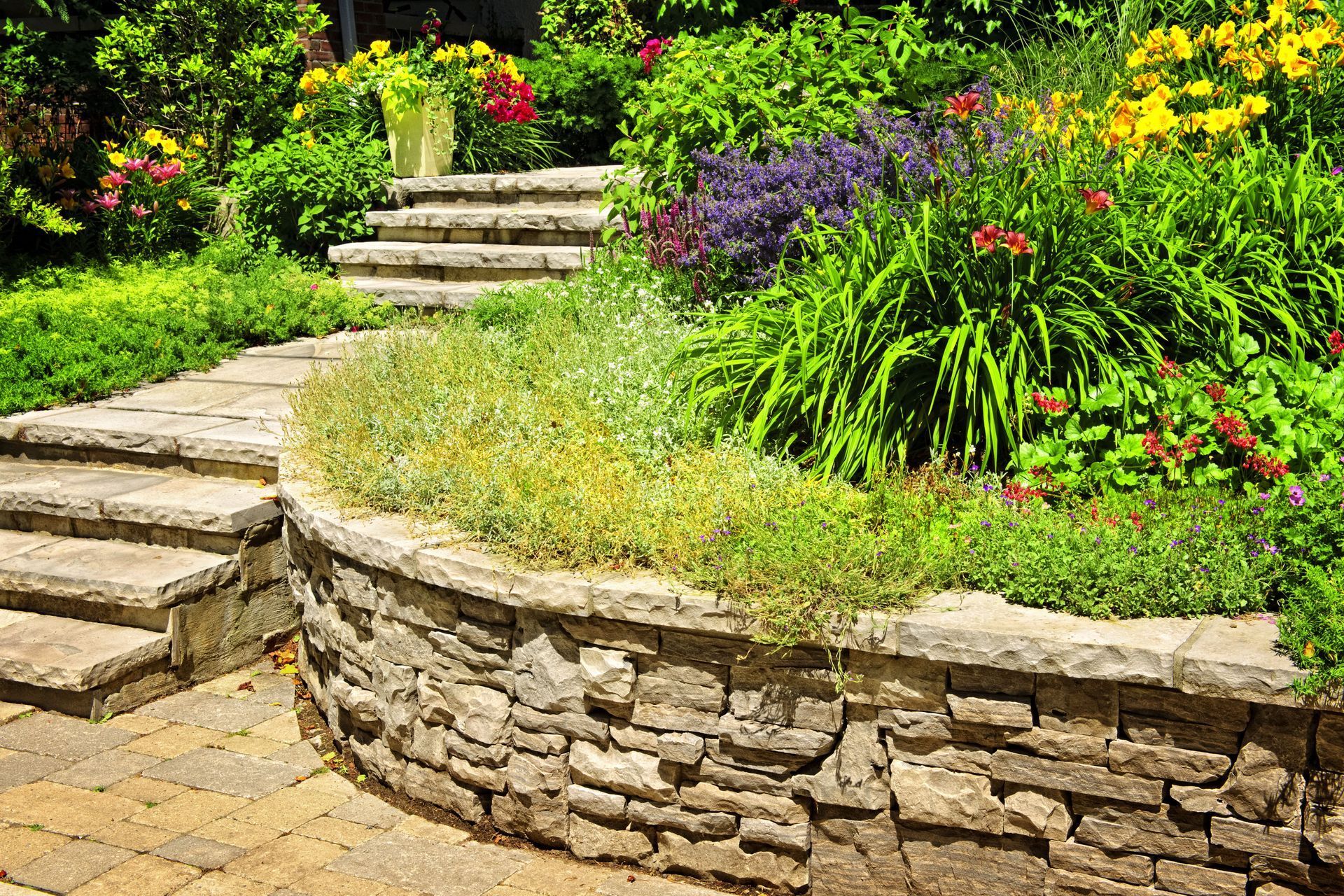
Zoning improves traffic flow and usability. Each area serves a clear purpose while contributing to the whole. Local masonry contractors often assist in defining zones through stonework, built-in seating, retaining edges, and layout design. Their craftsmanship supports both structure and aesthetics.
Outdoor fireplaces, kitchens, and patios work best when designed as a unified system rather than isolated features. Careful planning, durable materials, and thoughtful layout decisions ensure long-term enjoyment and functionality. When these elements are integrated properly, outdoor spaces become extensions of the home that support comfort, connection, and year-round use.
At C & J Stoneworks Inc, we bring over 25 years of experience crafting custom stonework, brickwork, fireplaces, and outdoor living spaces built to last. With a showroom located in Roberts, WI, and free estimates available, we help homeowners design outdoor environments that feel cohesive, durable, and personal. If you’re ready to work with skilled local masonry contractors who understand both form and function, reach out to C & J Stoneworks Inc and let’s bring your outdoor vision to life.