February 12, 2026
In recent years, outdoor living spaces have become an essential extension of the home, offering a perfect blend of nature and comfort. Stone patios, outdoor kitchens, and fire features are critical elements that transform backyards into functional and aesthetic havens. Keep reading to see how these components synergize to create an inviting and versatile outdoor experience.
The Foundation: Stone Patios
Design Considerations for Stone Patios
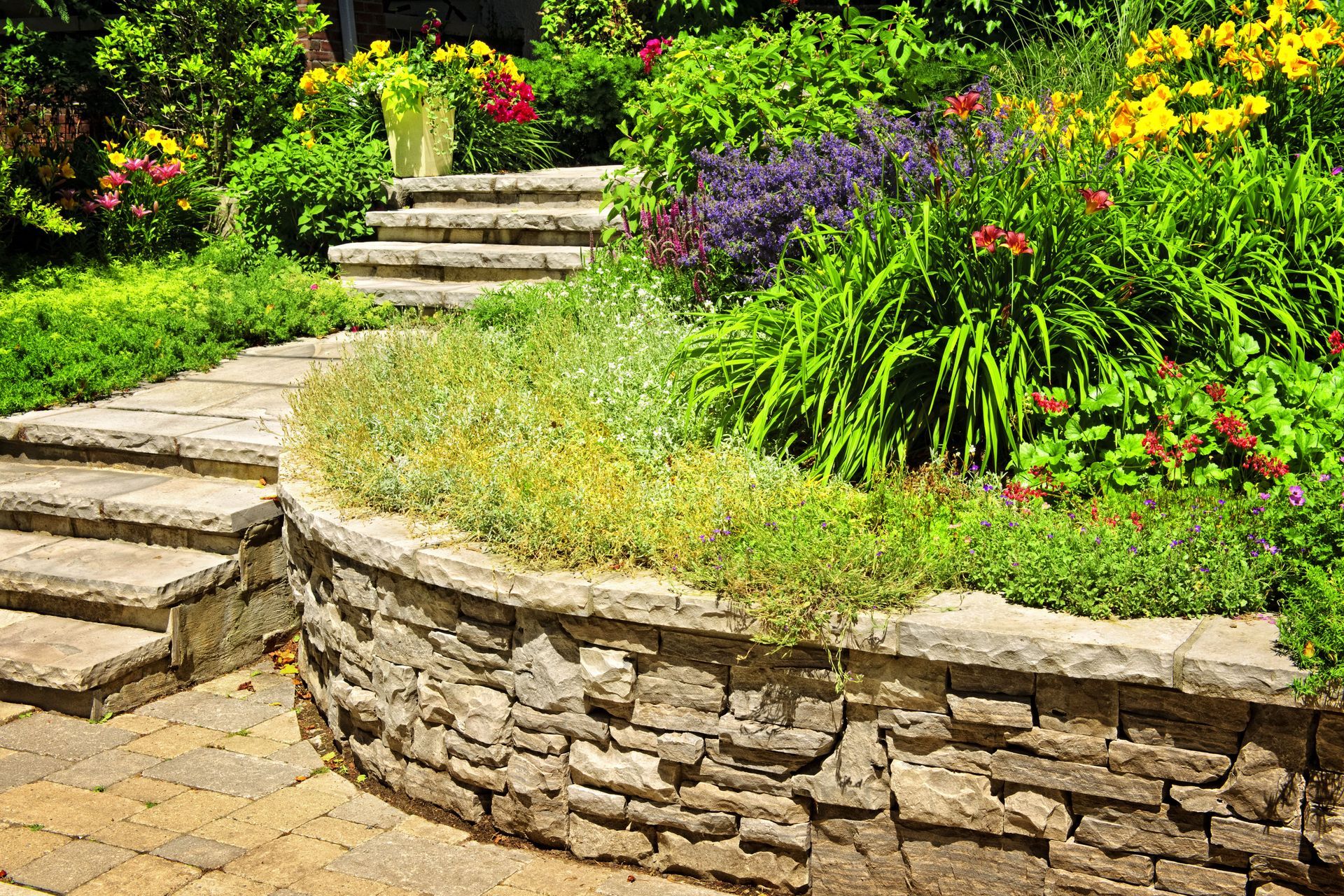
Design considerations for stone patios encompass different aspects, including shape, layout, and texture. A thoughtfully designed patio integrates seamlessly with the surrounding landscape, enhancing the natural beauty of the environment. This integration can be achieved through the careful selection of stone textures and colors that complement the existing architectural elements. Moreover, the layout of the patio should support various activities, ensuring sufficient space for outdoor furniture and movement. A balance between form and function is essential in creating a patio that serves both aesthetic and practical purposes.
Durability and Maintenance of Stone Surfaces
The longevity of stone patios is a key consideration, as they're subject to environmental wear and tear. Natural stones generally offer remarkable durability, requiring minimal maintenance to retain their beauty over time. Regular cleaning and sealing can enhance their resistance to staining and weathering, prolonging the life of the stone surface. Porous stones, however, may need more frequent sealing to prevent damage from moisture infiltration. By selecting the right stone material, homeowners can ensure their patio remains a long-lasting feature of their outdoor space.
Integrating Landscaping with Stone Patios
Integrating landscaping with stone patios and outdoor kitchens involves a strategic approach to spatial design. The incorporation of greenery, from potted plants to garden beds, softens the stone's hard surfaces, creating a harmonious blend of natural and man-made elements. Plant selection is important, with climactic conditions and maintenance considerations guiding the choices. Moreover, the inclusion of features such as water elements can enhance tranquility, providing a sense of calm and relaxation. Effective landscaping transforms stone patios into vibrant, living spaces that reflect the homeowner's personal style.
Cost Factors and Budgeting for Stone Patios
Budgeting for a stone patio involves various cost factors, including material selection, design complexity, and installation. Natural stones often come with a higher price tag compared to manufactured alternatives due to their inherent characteristics and sourcing requirements. Nonetheless, the long-term benefits, such as durability and aesthetic appeal, can outweigh initial costs. Working with a budget, homeowners should prioritize features that align with their vision while seeking cost-effective solutions. Though costs may vary, careful planning can help create a beautiful patio that fits both aesthetic desires and financial constraints.
Creating Culinary Delights: Outdoor Kitchens
Essential Components of an Outdoor Kitchen
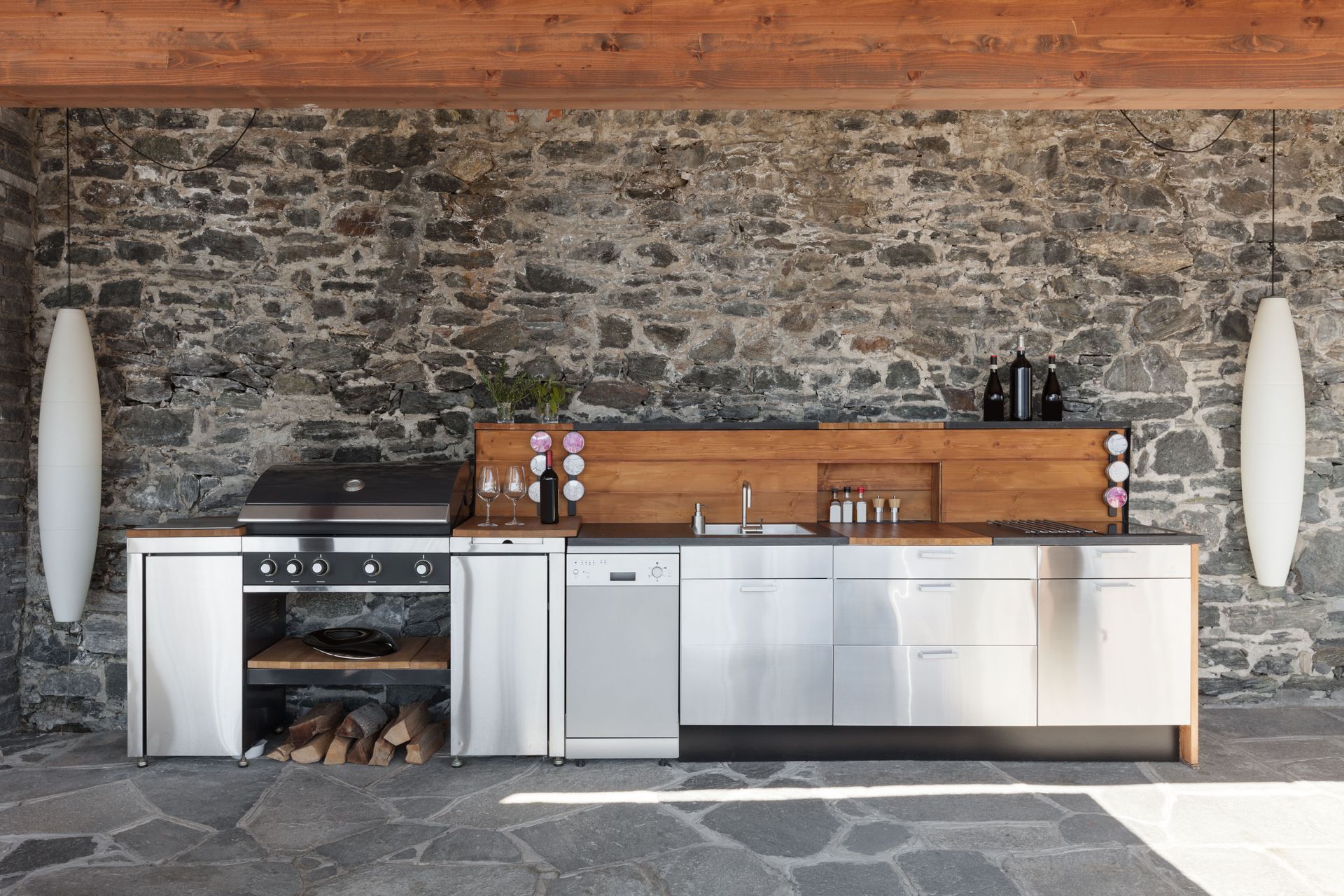
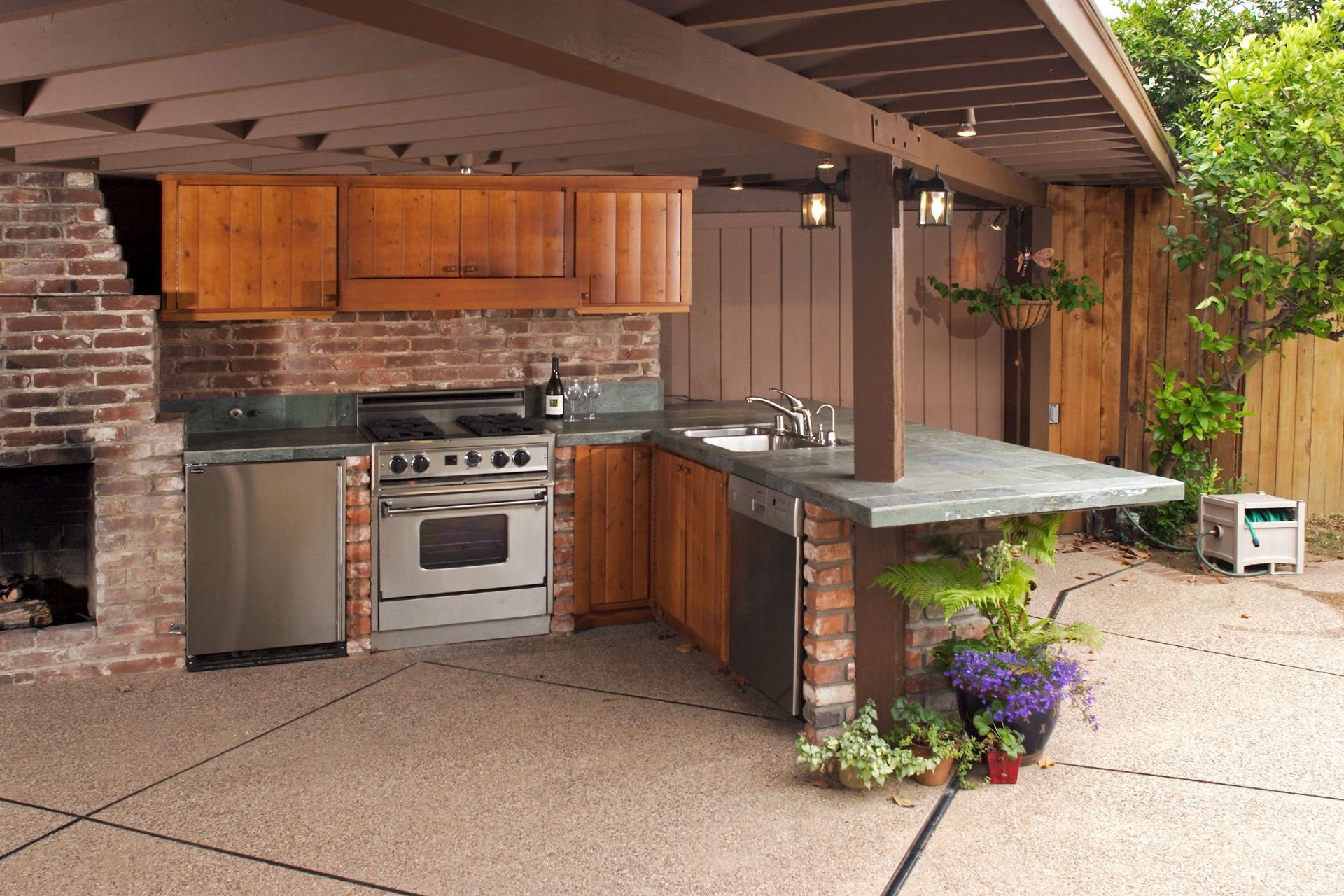
Outdoor kitchens are becoming increasingly popular as homeowners look to extend their living spaces while indulging in alfresco cooking. Essential components of an outdoor kitchen include cooking appliances like grills, smokers, and pizza ovens that cater to diverse culinary preferences. Additionally, storage solutions such as cabinets and countertops are crucial for efficiency and organization. Incorporating these elements effectively not only enhances convenience but also facilitates seamless outdoor cooking experiences. By providing all necessary cooking tools and areas, outdoor kitchens serve as central hubs of activity and entertainment.
Choosing the Right Appliances for Outdoor Cooking
When selecting appliances for an outdoor kitchen, one must consider factors such as cooking style, frequency of use, and budget. Energy-efficient and weather-resistant options are ideal, ensuring longevity and performance amidst varying external conditions. Built-in grills are a staple in outdoor kitchens, offering superior heat control and versatility. Appliances such as refrigerators, freezers, and sinks add convenience, turning simple spaces into fully functional kitchens. According to This Old House, over 10% of renovating homeowners in 2025 chose to add or upgrade an outdoor kitchen as part of their outdoor living renovations, highlighting the increasing interest in these culinary spaces.
Designing an Efficient Layout
The layout of an outdoor kitchen profoundly affects its usability and functionality. Prioritizing an efficient workflow is vital, with utilities like plumbing and electricity being strategically placed to support operations. Just like an indoor kitchen, the ideal layout forms a triangle between the grill, sink, and refrigerator to facilitate easy movement. Considerations include ensuring counter space is near the cooking areas to accommodate food preparation and cleanup. Thoughtful planning and input from designers and architects can lead to a well-organized, efficient outdoor kitchen space.
Weatherproofing and Maintenance
Weatherproofing is a critical aspect of outdoor kitchen design, making maintenance more manageable while extending the kitchen's lifespan. Choosing materials that withstand the elements is pivotal, with stainless steel being favored for its corrosion resistance and durability. Protective covers can shield appliances from harsh weather such as rain or snow, ensuring operational efficiency year-round. Regular cleaning and maintenance regimens are crucial; lubricating hinges and cleaning burners contribute to sustaining functionality. A well-preserved outdoor kitchen is an investment that offers continued enjoyment and convenience.
Incorporating Dining Spaces
An outdoor kitchen is incomplete without a designated area for dining, providing space where guests can enjoy the fruits of alfresco cooking. When crafting this space, considerations such as proximity to cooking areas and seating arrangements are significant. Dining zones can vary from intimate settings for small gatherings to expansive spaces for large parties, depending on spatial allowance. Incorporating features like ambient lighting and weatherproof furniture enhances the ambiance and comfort of the outdoor dining experience. A cohesive setting fosters social interaction and entertainment, making outdoor meals a memorable event.
Add Warmth and Ambiance: Fire Features
Types of Fire Features: Fire Pits vs. Fireplaces
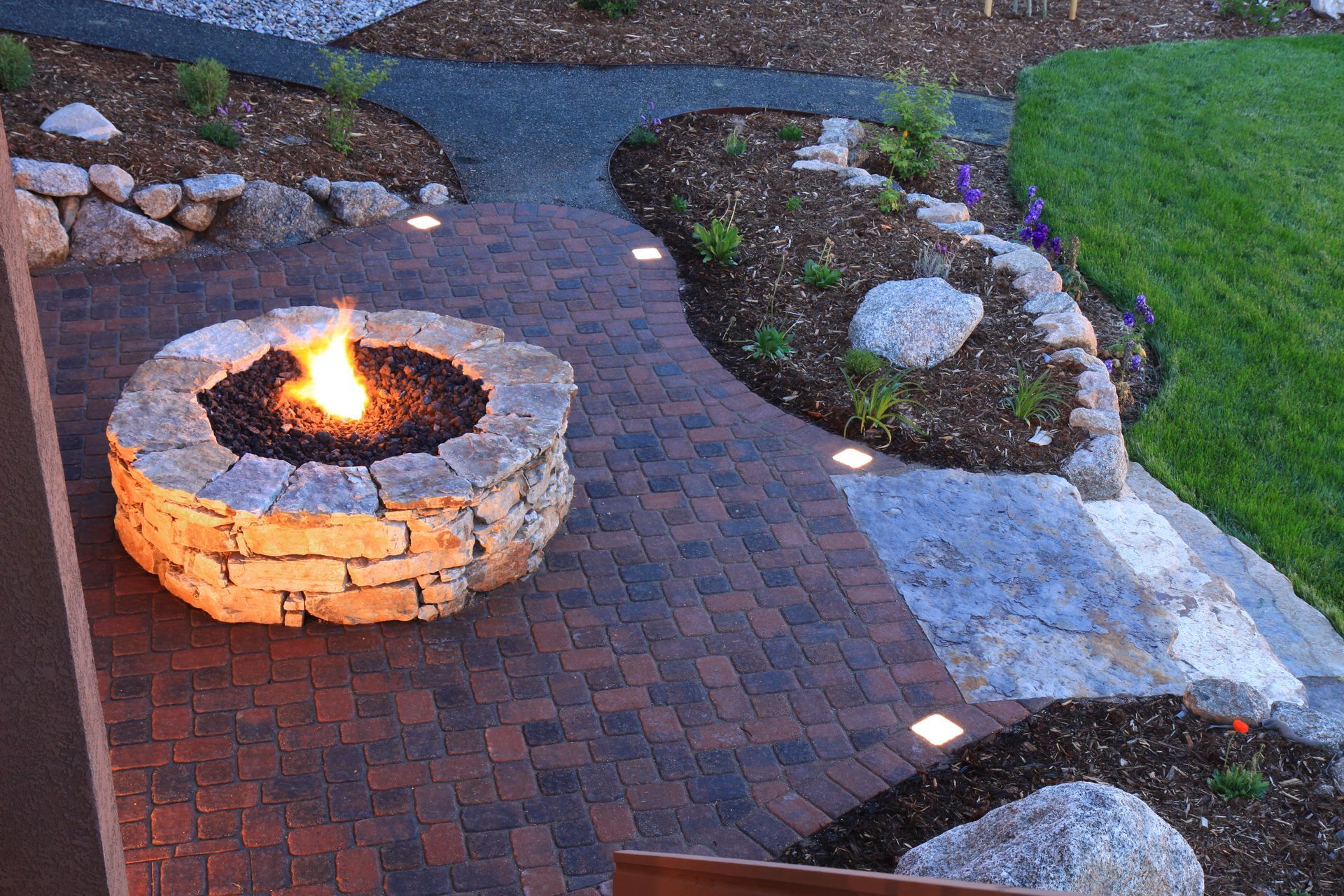
Fire features inject warmth and ambiance into outdoor living spaces, serving as focal points for relaxation and gathering. Fire pits and fireplaces offer distinct experiences; fire pits are more casual, encouraging circular seating and interaction. Conversely, outdoor fireplaces present a formal look, often designed as a structured element that anchors seating arrangements. Size and space considerations influence the choice between a pit or fireplace, accommodating different gatherings and styles. Regardless of the type, both elements provide comfort and visual interest to outdoor spaces.
Safety Considerations for Fire Features
Safety is paramount when including fire features in outdoor spaces, necessitating adherence to local regulations and guidelines. Ensuring safe distances from structures and flammable materials is critical to reducing fire hazards. Utilizing fire-resistant materials around the feature perimeter adds a safety layer while enhancing heat distribution. Installing sufficient ventilation and implementing spark control measures completes a comprehensive safety protocol. By prioritizing safety, homeowners can comfortably enjoy the warmth and ambiance of fire features all year round.
Integrating Fire Features Into Your Design
Effective integration of fire features requires a thoughtful approach to positioning and aesthetics. Placing the feature as a central element or next to seating areas maximizes its impact and usability. Coordinating the fire feature with surrounding design elements, such as color schemes or textures, enhances the overall atmosphere. Selecting styles that accentuate patios and outdoor kitchens creates a uniform outdoor experience. By aligning the element with personal taste and existing structures, a seamless transition between functionalities and aesthetic values is achieved.
The integration of stone patios, outdoor kitchens, and fire features into outdoor living spaces not only elevates the aesthetic appeal of a home but also enhances its functionality and value. By considering design, materials, and cohesive planning, homeowners can create an outdoor oasis that serves as a sanctuary for relaxation, socialization, and culinary exploration. Overall, these key elements work in tandem to provide an enriching outdoor experience for years to come. Contact C & J Stoneworks Inc today to learn more.